




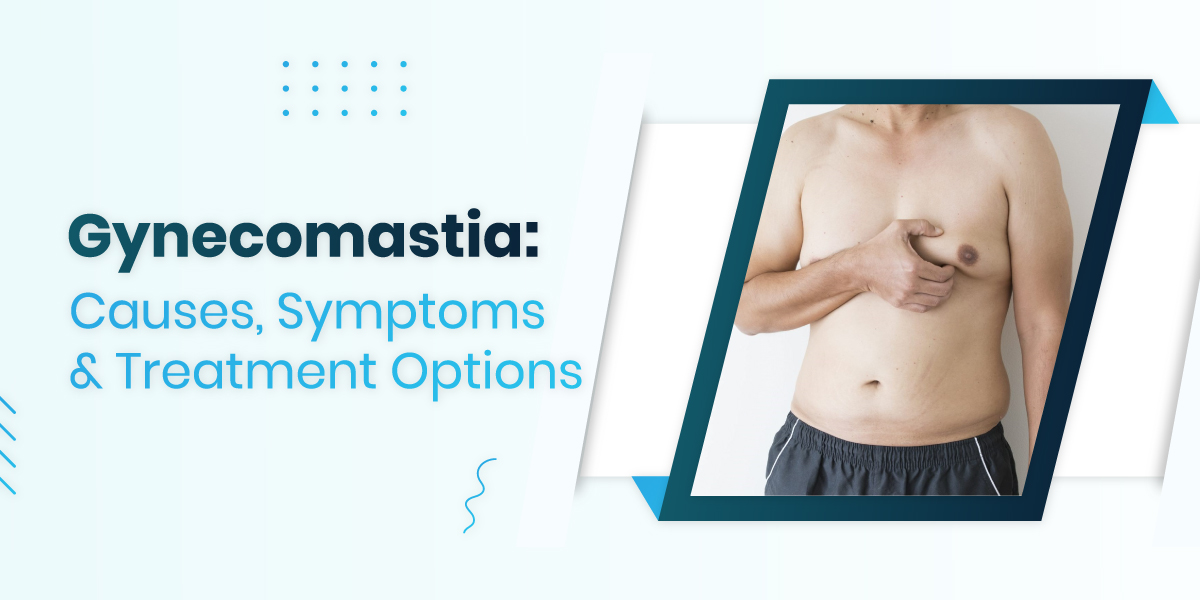
Many men worry and feel embarrassed about the changes in their bodies. One common condition which affects men, and mind you, is not dangerous, is called gynecomastia. It is the enlargement of breast tissue in men and in particular, affects the confidence and the self-esteem of the individual. Men of all ages can get gynecomastia from natural hormonal changes, and from lifestyle or underlying health issues.
This blog addresses the condition gynecomastia, and will explain in detail its causes, symptoms, how it is diagnosed and the treatment alternatives. It will also cover the preclusions and the emotional distress it comes with and the warning signs to consult a doctor.
What is gynecomastia?
This is typically defined by the enlargement of the glandular breast tissue in males. It is not the same as accumulation of fat, which is called "pseudogynecomastia". In true gynecomastia, it is the growth of glandular tissue under the nipple due to a hormonal imbalance between estrogen and testosterone.
Types of Gynecomastia
Physiological gynecomastia: Naturally occurs at certain life stages like in newborns (due to the mother’s hormones), teenage boys (during puberty) and older men (due to decline in testosterone).
Pathological gynecomastia: Persists or develops due to any underlying medical conditions, drugs or other lifestyle practices.
Causes of Gynecomastia
Several factors can contribute to gynecomastia. The most common include:
1. Hormonal Imbalance
When testosterone levels drop or estrogen levels rise, breast tissue may swell.
Such an imbalance may occur naturally due to aging or even during the different stages of puberty.
2. Medical Conditions
- Liver disease and kidney disease
- Thyroid disorders (overactive thyroid increases estrogen activity)
- Tumors affecting the testes, adrenal glands or pituitary gland
- Hypogonadism (low testosterone production)
3. Medications and Substances
These substances might cause gynecomastia:
- Anti-androgens (for prostate issues)
- Spironolactone and some calcium channel blockers (for heart conditions)
- Some chemotherapy agents
- Abuse of anabolic steroids
- Heavy drinking, marijuana and heroin
4. Lifestyle and Other Factors
- Obesity (Additional fat converts testosterone into estrogen)
- Older age (Natural hormone decline)
- Exposure to estrogen mimicking (endocrine-disrupting) substances or herbal estrogen.
Symptoms of Gynecomastia
Men who have gynecomastia can observe:
- Swelling of either or both breasts
- A hard or rubbery mass under the nipple
- Breast tenderness or pain
- Asymmetry (one breast larger than the other)
- Occasionally, discharge of the nipple
Why is it different from fat accumulation?
In pseudogynecomastia, the chest appears fuller due to fat but the tissue is soft and not glandular. This can be distinguished by a physician through physical examination.
How is Gynecomastia Diagnosed?
A proper diagnosis helps rule out any serious conditions. A doctor generally does the following:
Medical History- Questions related to puberty and family, medications and substance use.
Physical Examination- Evaluate the chest for gland tissue vs fat.
Blood Tests- Assess the levels of testosterone, estrogen and thyroid and other hormones.
Imaging Tests- Perform an ultrasound or mammography if there is concern for tumors or other abnormalities.
Testicular Examination- Assess for any underlying testicular conditions.
Treatment Options for Gynecomastia
1. Observation and Watchful Waiting
- In teenagers, the condition often disappears within 6 months to 2 years.
- In mild cases, doctors may recommend monitoring without immediate treatment.
2. Lifestyle Changes
- Weight loss and regular exercise help reduce excess fat.
- Avoid alcohol, steroids and recreational drugs.
- Review medications with a doctor to see if alternatives are available.
3. Medications
Selective Estrogen Receptor Modulators (SERMs): Like tamoxifen, used in persistent painful cases.
Aromatase Inhibitors: Reduce estrogen production, though less commonly used.
Hormone Therapy: In rare cases where testosterone deficiency is the cause.
(These are prescription medicines, and must be taken under medical supervision as well.)
4. Surgery
For cases in which other options have been tried and emotional distress has set in, there is no other alternative except surgery:
- Liposuction: Removes excess fat but not gland tissue which is also needed.
- Excision: Removes glandular tissue, usually through a small incision around the nipple.
- Combination Surgery: Best results comes from doing liposuction and excision together.
Recovery times are quick and modern techniques are able to minimize scarring so that a recovery to a natural male chest is achieved.
Risks, Complications & Emotional Impact
Although not typically damaging to our health, gynecomastia can still produce:
- Pain and sensitivity in the breast area
- Challenges while exercising or wearing tight-fitting clothes
- Low self-esteem, feelings of shame and social anxiety
- Depression or avoidance of social situations
Medical treatment should incorporate the psychological aspect as well. Many men experience an increase in self-esteem and overall life satisfaction after treatment.
Prevention & When to See a Doctor
Prevention Tips
- Keep a healthy weight and active lifestyle.
- Do not use anabolic steroids and refrain from excessive alcohol and recreational drugs.
- Control chronic conditions such as thyroid and liver disease.
- Speak to your doctor about any prescriptions you take that may increase risk.
When to Seek Medical Help
- When breast swelling lasts longer than a few months.
- When there is pain, tenderness and/or discharge from the nipple.
- When only one breast is affected (in order to rule out other causes).
- When swelling disrupts daily activities and/or causes emotional Wdistress.
Conclusion
Men can develop enlarged breast tissue for an array of reasons such as hormonal changes, health conditions or certain lifestyle choices. Gynecomastia can be harmless, but it can take a toll on one’s emotional health and physical comfort. Fortunately, there are effective treatments including lifestyle changes, medications and surgical procedures, that can restore one’s natural chest contour and greatly boost self-esteem.
Symptoms of this condition should be evaluated and not ignored. Consult a qualified physician as a primary step. Prompt treatment of symptomatic gynecomastia may relieve physical discomfort and more importantly, avoid emotional distress.
Improved self-esteem and emotional health are attainable; schedule an appointment with a doctor today.
Recommended for you
Facelift vs Thread Lift – Which Is Better for You?
Common Side Effects of Chemotherapy
Varicoceles: Symptoms, Diagnosis & Treatment
Urologist vs. Andrologist: Differences and When to Consult