



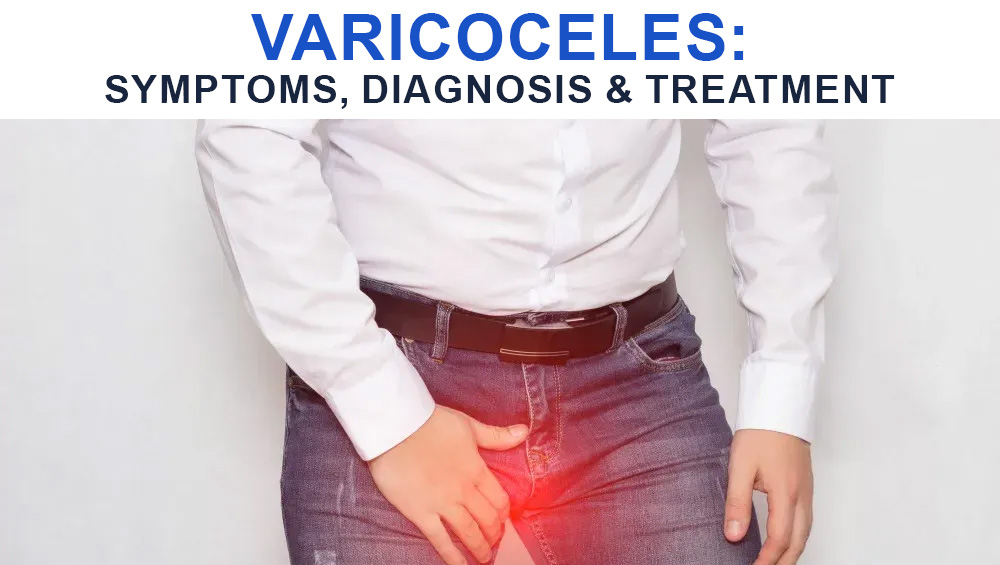
Varicoceles are a typical disease that is common among males, especially young ones. It happens because the veins inside the scrotum (the pouch that contains your testicles) expand. It is like varicose veins that people develop in their legs.
Usually, varicoceles do not cause severe health problems. However, sometimes they cause pain, swelling, and infertility. This article will clarify the causes of varicoceles, how is the best way to figure out whether you suffer from them, and the best way to treat them.
What Is a Varicocele?
It is a scrotal vein that has enlarged or dilated. These veins drain the blood from the testicles. Blood begins to accumulate when the valves in these veins fail. This causes the veins to stretch and become larger.
Varicoceles are most common on the left side and usually develop slowly. They can be painless for many years.
Symptoms of Varicoceles
The varicocele usually isn't noticed until a routine checkup. When symptoms occur, they may include:
- Feeling achy or dull in the scrotum
- Standing for long periods can lead to a feeling of discomfort.
- The appearance of veins that have been twisted or enlarged may resemble "bagworms".
- One testicle shrinks (reduction).
- Infertility is the inability to get pregnant
Even though most varicoceles do not cause any harm, they can still be dangerous if left untreated.
Causes of Varicoceles
These are caused when blood does not flow through the veins of the scrotum. In normal circumstances, tiny valves inside the veins help with the circulation of blood to the heart. When these valves fail or weaken, blood clots form and the veins start to expand.
The condition usually occurs at puberty and occurs between the ages of 15 and 25. There is no specific cause the body's shape or vein weakness has been proven to be a contributing factor.
How Varicoceles Are Diagnosed?
A physical check-up is the initial step. The physician can feel the scrotum as you stand and can ask you to inhale deeply and hold it (this helps the veins become more prominent).
If necessary, your physician can recommend:
- Scrotal ultrasound – for an unequivocal view of the veins
- Semen analysis – to determine whether fertility is compromised
They are easy tests that confirm the diagnosis and determine what treatment could be required.
Types of Treatment for Varicoceles
Some varicoceles require treatment. Physicians usually recommend frequent checkups if you do not have any pain or fertility issues.
If you have any of these symptoms, including pain, shrinkage or difficulty getting pregnant, the treatment includes:
1. Surgery (Varicocelectomy)
It is the most popular treatment. The larger veins are closed or plugged so that blood flow can be allowed to flow freely through healthy veins. This is a simple procedure, and most patients heal within just a few days.
2. Embolization (Non-surgical Option)
This is a quick and less invasive procedure. The small tubing (catheter) will be used to block a vein affected to stop blood from flowing through it. It isn't required to cut, and recovery is fast.
3. Home Cautiousness and Pain Relief
If your varicocele is not too painful and you can control the discomfort by:
- Underwear that helps relieve pressure
- Pain relievers such as Ibuprofen, in the event of need.
- Do not do intense exercise or stand for extended durations of time.
These steps can help reduce pain and swelling; however, they aren't able to treat varicoceles.
What Happens If You Don’t Treat It?
Even though most varicoceles do not cause any harm, they can still be dangerous if left untreated.
- Recurrent pain or heaviness
- Atrophication of the affected testicle
- Infertility is due to the quality of sperm in your body.
If you are planning to have children or experiencing fertility issues, then speak with your doctor before you begin.
Recovery After Treatment of Varicocele
Healing is typically simple and quick. You may feel mild swelling for a few days after embolization. In a week, most men return to work or regular activities.
You may be told by your doctor to refrain from heavy lifting and sex until you heal.
When to See a Doctor
You must visit a urologist if you experience:
- Scrotal pain or swelling
- Visible or palpable enlarged veins
- The difficulty of becoming pregnant after a year of trying
- One testicle appears smaller compared to the other
Early checking prevents complications and makes treatment simpler.
Conclusion
Varicoceles are extremely common and are usually non-harmful. They shouldn't be overlooked, but be aware of them in cases of symptoms of swelling, pain or trouble with configuration. The condition develops gradually and is not always evident, so frequent visits to a urologist are suggested. Early detection can help prevent complications, such as atrophy of the testicle or decreased sperm quality.
The positive side is that varicoceles are easily treated. With the most recent treatment options, both surgical and nonsurgical, the majority of men recuperate quickly and get back the sensation of being relaxed and fertile. If you are experiencing signs of pain or visible veins on your scrotum, don't put off getting it checked. A quick consultation will help ensure your fertility's longevity as well as peace of mind.

Recommended for you
Facelift vs Thread Lift – Which Is Better for You?
Common Side Effects of Chemotherapy
Varicoceles: Symptoms, Diagnosis & Treatment
Urologist vs. Andrologist: Differences and When to Consult