




Most men don’t think much about their prostate health – that is, until something goes wrong. The prostate is a walnut-sized gland that helps men produce urine and semen. Prostate health issues become more likely as men age and include BPH, prostatitis or prostate cancer. The symptoms associated with these issues, such as frequent urination, interrupted sleep or pain, may be bothersome to men and affect their quality of life.
Fortunately, there are easy ways to improve prostate health, reduce health risks, and improve general health. In this blog, we’ll outline the functions of the prostate, the risk factors and warning signs of an unhealthy prostate and the dietary and lifestyle changes that have a positive health impact.
What is the Prostate & Why Good Prostate Health Matters
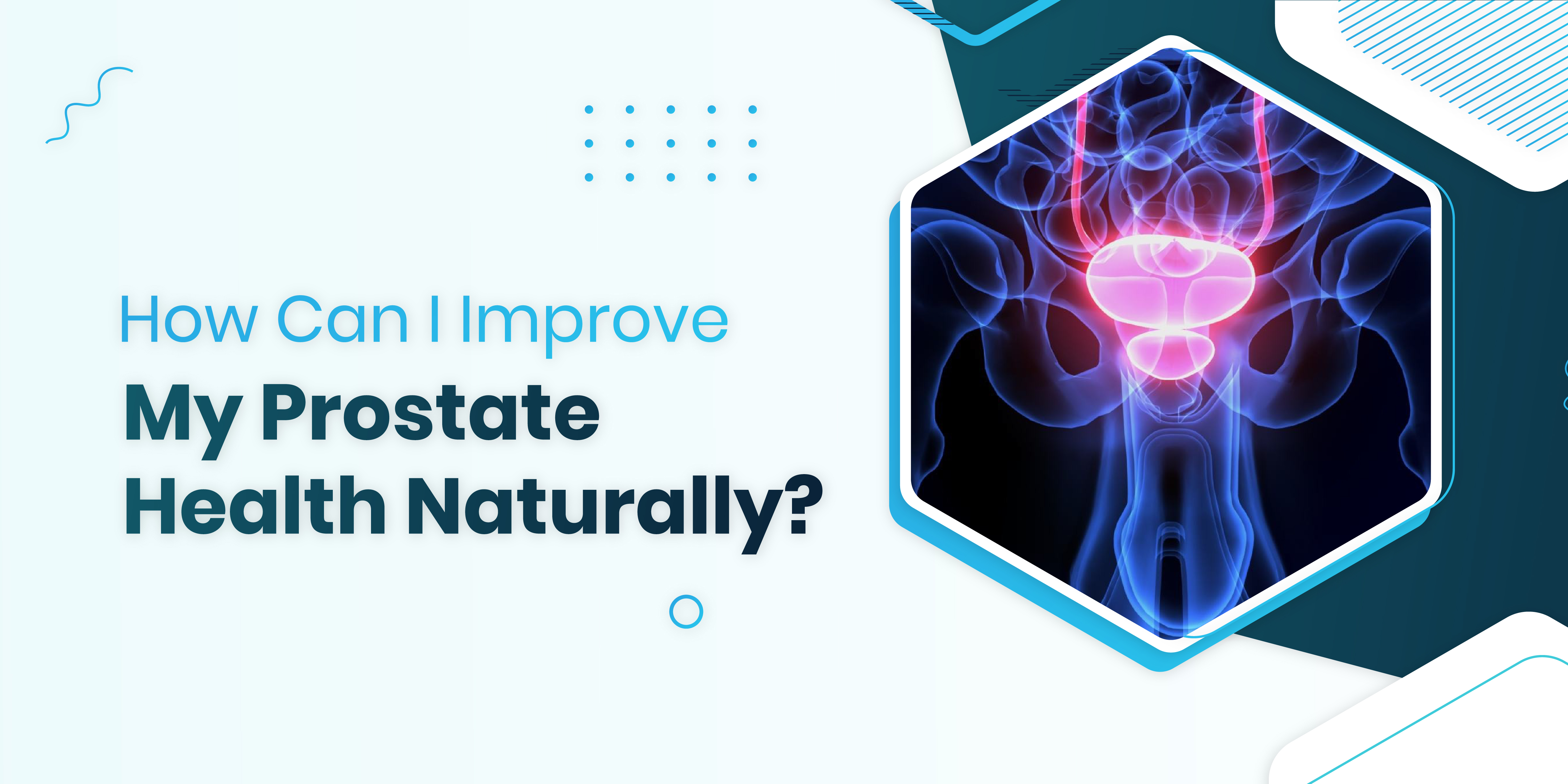
The prostate gland is a small gland situated just below the bladder and in front of the rectum. Its primary role is the production of nourishing and protective fluids for sperm. Along with a healthy prostate, healthy control of the bladder and urinary tract is also a sign of a healthy prostate.
However, with age, prostate glands may also become inflamed or enlarged. An enlarged prostate (BPH) may compress the urethra which may complicate the process of urination. Infections (prostatitis) may occur as well as prostate cancer. Prostate issues tend to have a significant impact and complicate a person’s life, self-esteem and overall comfort.
Risk Factors That Affect Prostate Health
Prostate problems are more likely for several reasons.
- Age: Risk becomes considerably higher after crossing the 50-year mark.
- Family history: Risk increases when someone has a father or brother with prostate disease.
- Obesity: Increased adipose is associated with higher estrogen levels which may promote prostate growth.
- Unhealthy diet: Diets high in processed foods, red meats, and saturated fats increase risk.
- Sedentary lifestyle: Insufficient exercise triggers hormone imbalance and weakens the immune system.
- Alcohol and smoking: Both worsen and increase bladder irritability.
Signs & Symptoms to Watch For
Changes in urination are some of the first signs of possible prostate issues. The most widespread indicators are:
- Increased urination frequency, particularly nocturia
- Urination that is weak or dribbling
- Problems with initiation or cessation of urination
- The sensation of incomplete bladder emptying
- discomfort in the pelvic area or lower back
- Blood in the urine or semen
Natural Ways to Improve Prostate Health
- Rather than red meat and processed foods increase your portions of tomatoes, berries, nuts, seeds and greens.
- Regular workout sessions increase blood flow, aid in weight control and alleviate problems with the prostate.
- Prostate enlargement and other problems can be triggered by weight and excess body fat.
- Drink enough water and try to avoid alcohol and caffeinated beverages.
- Smokers have a greater risk of inflammation and other malignancies as well as a greater risk of developing inflammation.
- Stress can be lowered with simple methods such as meditation, prayer and deep breathing.
- Pumpkin seeds, green tea and saw palmetto are often talked about and always check with a health professional when it comes to supplements.
Screening & When to See a Doctor
Maintaining a healthy lifestyle is important and so is screening regularly, especially between the ages of 40 and 50 which is when most of the important screening tests begin. These are:
- PSA blood test
- Digital Rectal Exam
- Imaging or Ultrasound as required
See a physician if these symptoms develop: long-term urinary problems, blood in urine, severe pelvic discomfort or sudden changes in your bladder control. The condition is easier to treat when it is detected early.
Conclusion
Enhancing the condition of your prostate can bring solace in your health and vigor. Although the drugs available in the market can make prostate conditions improve, the priority should remain in the implementation of lifestyle changes. Small steps can range from maintaining a healthy and balanced diet, engaging in physical activities, having a healthy weight, refraining from risky behaviors and stress management.
Of course, keeping prostate problems at bay requires more than the above stated activities. Regular routines of medical checkups and screening procedures are needed. If there are prostate symptoms such as changes in your urination habits, pain or frequent urination you should get it checked.
Recommended for you
Facelift vs Thread Lift – Which Is Better for You?
Common Side Effects of Chemotherapy
Varicoceles: Symptoms, Diagnosis & Treatment
Urologist vs. Andrologist: Differences and When to Consult