




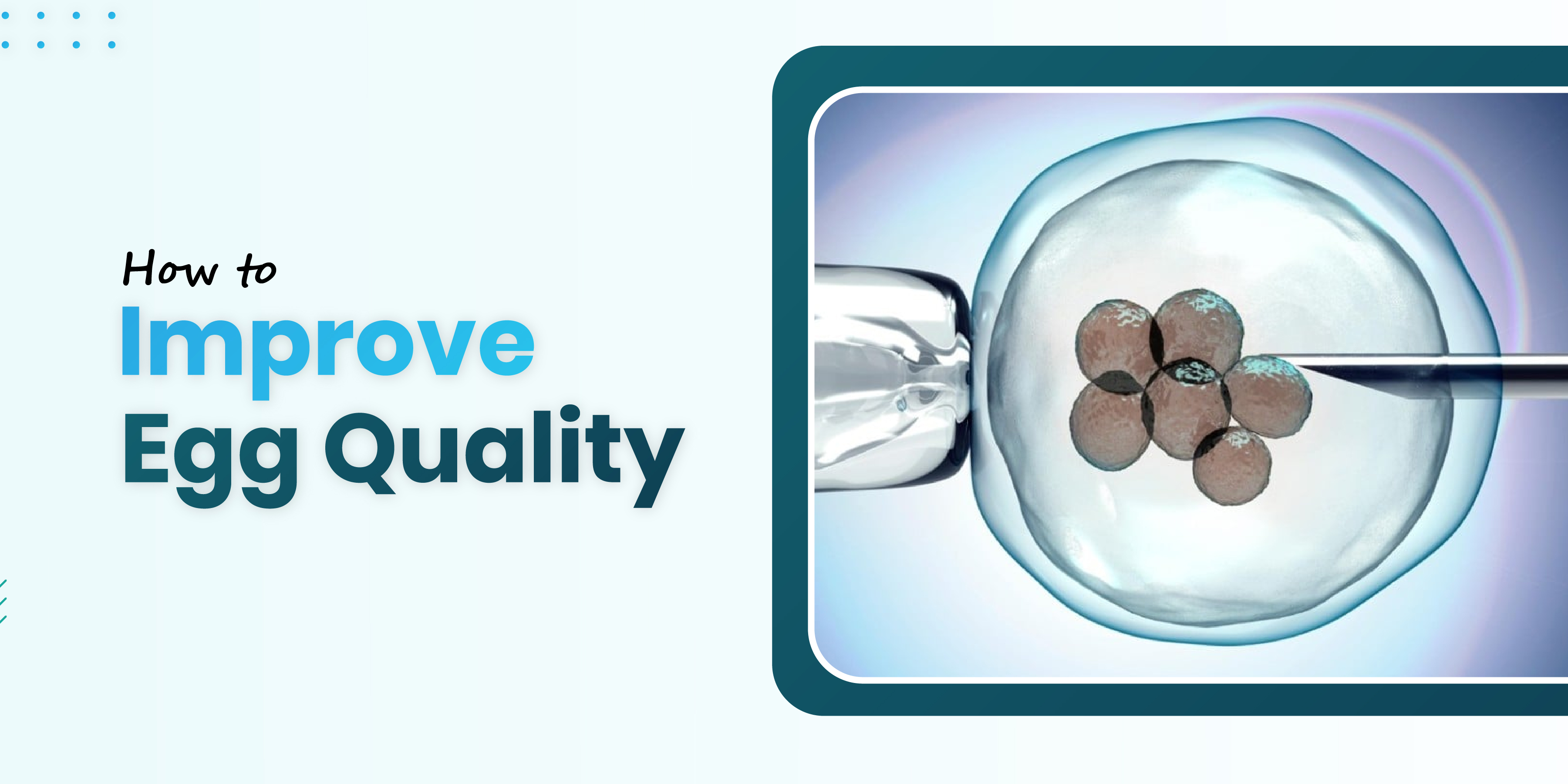
Most likely, you have heard quite a bit about how many eggs you have compared to how healthy those eggs are. The fact is, quality eggs are the primary requirement for a healthy pregnancy. Having a lot of eggs won’t really help you, since low egg health will make conception difficult.
Aging tends to have the most negative effect on egg quality but there are many lifestyle, dietary and even some medical options to help improve your eggs. This blog will focus on what egg quality really is, what impacts it and the actionable and realistic ways you can improve it starting today.
What Does “Egg Quality” Mean?
Egg quality means how likely an egg can:
- Have the right number of chromosomes to be considered genetically normal
- Ovulate or mature properly and get released
- Be fertilized and turned into a healthy embryo
- Implant and carry a pregnancy
Low quality eggs can be aneuploid or poorly energized mitochondrially or may have an inaccurate surrounding setting of the ovary/uterus.
While egg quality can’t be tested like egg quantity can, your doctor may use age, AMH and antral follicle counts to predict the expected results.
What Affects Egg Quality?
Here are some main things you can't control and some you can influence:
Span of Years
Probably the most important factor. Women, especially over the mid-30s, have a declining quality of their eggs (more chances of having chromosomal problems).
Genetics & Ovarian Reserve
Also, your baseline ovarian reserve (how many eggs you’re born with and how many are left) impacts things. Although with quality, it isn't only a matter of quantity.
Lifestyle & Environment
Stuff like being too heavy or too light, being really stressed, smoking, drinking, having toxins around and really bad diets.
Health Conditions
Issues such as endometriosis, PCOS, thyroid problems or being insulin resistant can prevent your eggs from maturing and can cause hormone disruptions.
How to Improve Egg Quality: Practical Steps
1. Eating Right to Fuel the Body
- Have food that is rich in antioxidants. Some examples are berries, leafy greens, nuts and seeds. Antioxidants help to get rid of free radicals that damage eggs.
- Incorporate healthy fat and omega-3 fatty fish, flaxseeds and walnuts. These ease and help to balance hormones.
- Include lean meat and oilseed meals. This is to help have steady energy and control insulin levels.
- Avoid eating processed food. You also have to limit food with high sugar, unhealthy trans fats, too much caffeine and alcohol.
2. Maintain a Good Weight
Being underweight or overweight is not good for the health of your eggs. Maintain a healthy BMI.
3. Regular Moderate Exercise
Improved blood circulation, hormone balance and reduced inflammation are some benefits of working out. But don’t exercise excessively because that may cause stress and hormone disruption.
4. Sleep and Stress Management
Stressing over something increases cortisol levels which may influence your reproductive hormones. Sleeping well maintains your rhythms and helps the eggs mature.
5. Stay Away from Toxins & Bad Habits
- Stop smoking.
- Drink less alcohol or better yet, none at all.
- Cut down on caffeine as your doctor suggests.
- Avoid chemicals that affect your hormones like certain plastics, cosmetics and pesticides
6. Improve Your Timing and Medical Support
It takes about 3 months for your body to develop and release an egg. Considering this, your best chances still take careful planning.
Trying to improve the outcomes, you can arrange for a plan with a fertility doctor who assesses your hormonal profiles and estimates your ovarian reserve.
7. Think About Egg Freezing or Early Action (if it Applies)
When you are younger, not really looking to become pregnant, but still have egg quality concerns, you can ask your doctor about the possibility of egg freezing.
How Long Before You See a Difference?
Improving egg quality isn’t overnight, but changes do make a difference if done consistently. Many doctors recommend 3 to 6 months of optimised lifestyle and nutrition before expecting significant improvements (because that’s roughly how long one egg takes to mature).
Conclusion
Often overlooked, egg quality is very important. Unlike age and genetics, the preparation for conception, dieting, body weight, physical activity and stress are all adjustable factors.
Improving your egg quality starts with making changes and requires little effort on your part. If it applies, discuss egg quality and your situation with your fertility specialist so you know what you can work on and perhaps work on some egg quality goals.
These goals, body and time can help you create a plan with a fertility specialist if you are concerned with your egg quality or are planning on pregnancy.
Recommended for you
Facelift vs Thread Lift – Which Is Better for You?
Common Side Effects of Chemotherapy
Varicoceles: Symptoms, Diagnosis & Treatment
Urologist vs. Andrologist: Differences and When to Consult