


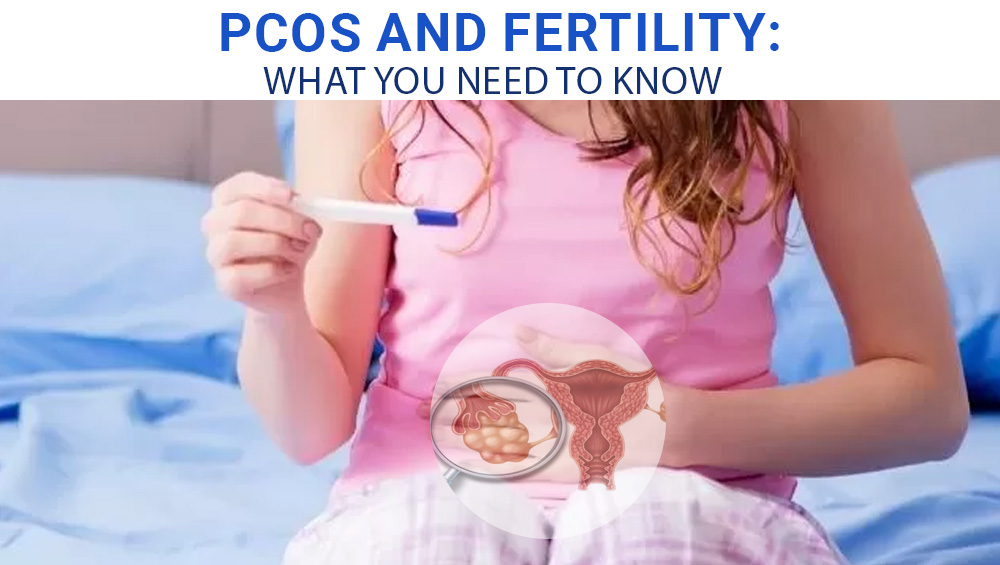
If you’re curious about why your periods are irregular and why you've not been able to get pregnant as it is understandable why. One of the most frequent causes of irregular periods and problems getting pregnant is PCOS (Polycystic Ovary Syndrome).
Don’t get the wrong idea. Just because you have PCOS doesn’t necessarily mean that you cannot get pregnant. It just means your body needs a little more of your attention and some special love.
That is why, in this blog, you will understand the main concepts of PCOS, how it relates to fertility and the ways you can help yourself increase your possibility of getting pregnant– either naturally or with some help from doctors.
What is PCOS?
PCOS stands for Polycystic Ovary Syndrome. It has to do with some hormonal imbalance and how exactly your ovaries function. In other words, some of the time your ovaries will not release eggs at all and your estrogen, progesterone and testosterone levels are clearly not in sync.
Despite being one of the most frequent causes of infertility for women in this age group, it is altogether manageable.
Some common symptoms of PCOS are:
- Irregular and missed periods
- Acne and oily skin
- Excess hair on some parts of your body like your face, chest or back
- Getting extra weight or not losing it
- Thinning hair on your scalp
The exact cause is not clear, but the syndrome is inherited in some families and it has some degree of relation to insulin and the excess male androgen hormones.
What Is Fertility?
Fertility is the natural ability to achieve conception and sustain a pregnancy. In women, several things need to happen for someone to be fertile. These include the presence of regular ovulations, decent egg quality, properly balanced hormones, fully functioning reproductive organs, and good health overall. If any of these becomes impaired — like in the case of PCOS — it may take longer to achieve a pregnancy or a fertility specialist may need to assist the couple.
Most times, a couple is diagnosed with infertility if they have been trying for a year to have a baby (or 6 months if the woman is over 35). In the case of PCOS, it is normal for there to be an absence of ovulation which creates the problem of having no predictable fertile periods which are necessary for achieving conception.
How PCOS Affects Fertility?
The biggest reason would be because of irregular ovulation. If there is no ovulation, then it is impossible to know which days are fertile and thus, get pregnant.
PCOS also impacts eggs and hormones which can affect how implantation and other processes involving reproduction work. The risk of miscarriage and other complications during pregnancy, such as hypertension and gestational diabetes, may also arise.
Can You Get Pregnant Naturally with PCOS?
Absolutely! PCOS does not have to be a barrier to a natural conception. Improvements to weight and diet and stress management have a positive impact on ovulation and natural conception.
Improving BMI alone, by 5-10%, is cited to improve the chances of restoring menses. It's all about improving the balance, the body and the body is willing to cooperate; all it needs is a little bit of support.
How to Improve Fertility with PCOS
1. Lifestyle and Diet Changes
- Lifestyle during fertility journey includes your diet, level of activity and sleep.
- Regular exercise, walks and yoga. Improve ovulation.
- Meditation and journaling lower cortisol levels.
- Hormonal balance requires 7-8 hours of sleep.
2. Medical Treatments for PCOS and Fertility
- Ovulation induction medications- Medications like Letrozole and Clomid help with the regular release of eggs from the ovaries.
- IUI/IVF– If taking ovulation medications don’t work to help manage your cycle, IUI and IVF are good alternatives.
- Custom Treatment Plans- Because there are many ways PCOS can impact someone, your plan can be developed by a reproductive health professional.
When to See a Fertility Specialist
If you have been trying to get pregnant for about 6 to 12 months and it has not worked out or you have irregular periods as it is better to meet a fertility doctor and have a visit earlier than later.
When you have:
- Skipped periods or have irregular ones
- If you have been trying for a few months with nothing to show for it
- If you have had a few miscarriages
- If you have symptoms of PCOS with excessive hair, weight gain and/or acne
Conclusion
PCOS can make getting pregnant a little harder but it does not stop you from getting pregnant. Lots of women with PCOS can have healthy pregnancies every year and that can happen with a positive attitude and the right mix of healthy habits and medical care.
PCOS doesn’t have to shape your fertility story as it can be changed with the right assistance and the right time.
Don't wait to book your appointment with your fertility specialist if you have PCOS or are trying to get pregnant. Early advice can turn your dream of being a parent into a reality.
Recommended for you
Facelift vs Thread Lift – Which Is Better for You?
Common Side Effects of Chemotherapy
Varicoceles: Symptoms, Diagnosis & Treatment
Urologist vs. Andrologist: Differences and When to Consult